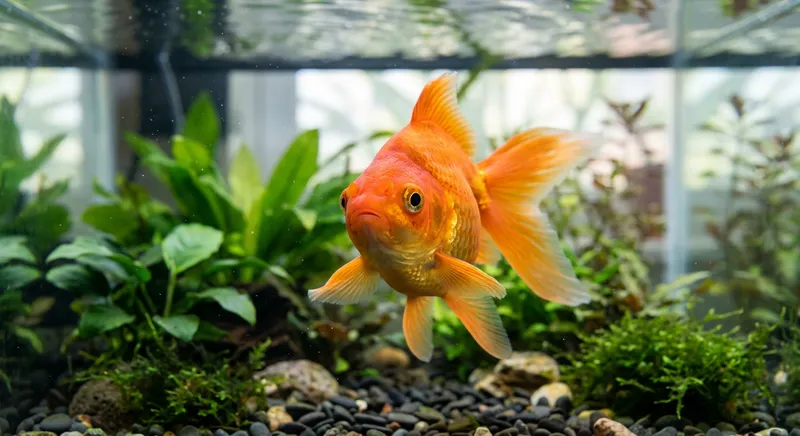
Goldfish
Carassius auratus
Overview
Goldfish are the classic pet fish, but they are seriously misunderstood. Most people think a goldfish can live in a tiny bowl. That is one of the biggest myths in the hobby. A single goldfish needs at least 30 gallons, and common goldfish ideally need a pond or a 75-gallon tank to reach their full potential. These fish get big, live for decades, and produce a ton of waste. When you provide proper care, goldfish are incredibly rewarding. They have real personalities, will learn to recognize you, and can live 15 to 20 years with decent care.
Tank Setup
Forget bowls and tiny tanks. A single fancy goldfish needs at least 20 gallons, with an extra 10 gallons for each additional fish. Common goldfish (comet, shubunkin) need 75 gallons each or a pond. They are coldwater fish, so no heater is required, but you do need a powerful filter. Goldfish are messy eaters and produce enormous amounts of waste. A canister filter or a strong hang-on-back rated for at least double your tank size is ideal. Gravel substrate works fine, and goldfish appreciate some décor, but avoid anything with sharp edges that could tear their fins.
Water Parameters
Goldfish thrive in cooler water between 60-72°F. They do not need a heater, which is nice for saving on electricity. pH should stay between 7.0 and 8.4, which is fairly forgiving. The big thing is water quality. These are not fish you can neglect water changes on. Weekly 25-30% water changes are a minimum, and many keepers do twice-weekly changes. Test your water regularly, especially ammonia and nitrite, which can spike quickly with goldfish bioload.
Diet & Feeding
Goldfish are omnivores that eat pretty much anything. High-quality goldfish flakes or pellets should be the staple. You can supplement with blanched vegetables like peas, zucchini, and lettuce. They also enjoy frozen bloodworms and daphnia as treats. Feed small amounts 2-3 times daily, only what they can consume in 2-3 minutes. Goldfish have no stomachs, so they process food quickly and produce a lot of waste. Overfeeding is the number one mistake beginners make, and it leads to terrible water quality.
Behavior & Temperament
Goldfish are generally peaceful and can be kept with other coldwater species. They are not aggressive, though they may nibble on plants. Goldfish are active swimmers and need open space to move around. They are social and do well in groups, though they do not school in the traditional sense. You will notice them swimming up to the glass when they see you, especially at feeding time. Some goldfish are bolder than others, and they all have distinct personalities.
Compatible Tankmates
Goldfish are best kept with other goldfish or coldwater species. Weather loaches, dojo loaches, and other goldfish make good companions. Avoid tropical fish that need warmer water. Also avoid fish small enough to fit in a goldfish's mouth, as goldfish are opportunistic feeders and may eat very small tankmates. Fancy goldfish are slower swimmers and should not be housed with fast-moving common goldfish, who outcompete them for food.
Common Health Issues
Ich (white spot disease) is common in goldfish, especially when water quality dips or temperatures fluctuate. It appears as tiny white spots on the body and fins. Raise the temperature slowly to around 74°F and treat with an ich medication. Fin rot often accompanies poor water quality, showing as ragged, discolored fins. The fix is cleaner water. Goldfish are also prone to swim bladder issues, which cause them to float oddly or sink. This is often diet-related, so try fasting your fish for a day and then offering blanched peas.
Breeding
Breeding goldfish is doable but requires a separate breeding tank. Males develop breeding tubercles (small white bumps) on their gill covers and pectoral fins during spawning season. Females become noticeably rounder with eggs. When ready to spawn, the male will chase the female around the tank. Spawning typically happens in the morning. After eggs are laid, remove the adults, as they will eat the eggs. Fry hatch in 4-7 days and need infusoria or specialized fry food initially.
Frequently Asked Questions
Quick Stats
Related Guides
What You Need for Goldfish
Gear that works well for this species, based on what experienced keepers actually use.
Canister filters provide superior filtration for messy goldfish. This model handles up to 70 gallons and is quiet and reliable.
High-quality sinking pellets with probiotics. Clear water formula and excellent color enhancement.
Essential for monitoring water quality with messy goldfish. Tests for ammonia, nitrite, nitrate, pH, and more.
Algae scrubber that works on glass tanks. Goldfish produce a lot of waste and algae loves the nutrients.