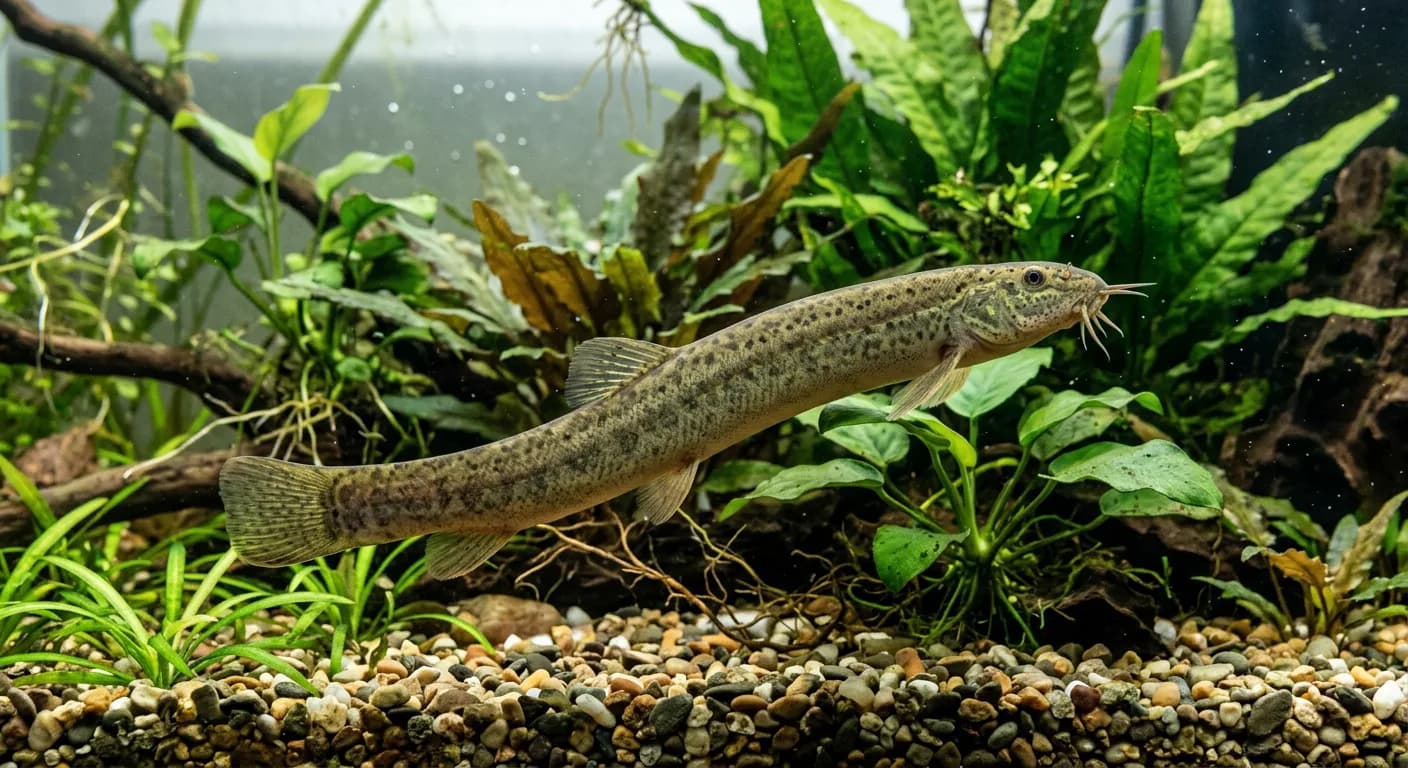
Dojo Loach
Misgurnus anguillicaudatus
Overview
Dojo Loaches, also known as Weather Loaches, are fascinating bottom-dwellers that can thrive in a wider temperature range than almost any other aquarium fish. These eel-like fish from East Asia earned the name 'weather loach' because they become extremely active before storms, detecting changes in atmospheric pressure. They can survive in temperatures from 50-77 degrees Fahrenheit, making them perfect for unheated tanks, coldwater setups, and seasonal outdoor ponds. Dojos have personalities as unique as their appearance - some are active and playful while others prefer to burrow in the substrate and emerge only at feeding time. They are peaceful giants that grow 6-8 inches but remain gentle with smaller tankmates. Their ability to survive in cold water and tolerate poor conditions makes them extremely hardy, though they thrive with proper care. A single Dojo can live 15-20 years, making them long-term companions that often outlive other tank inhabitants.
Tank Setup
Dojo Loaches need at least 40 gallons due to their eventual size, with 75 gallons or larger being ideal for their long-term health and happiness. They are notorious escape artists, so a tight-fitting lid with no gaps is absolutely essential. Use a soft substrate like fine sand or smooth gravel since they love to burrow and can injure themselves on sharp edges. The tank should have hiding places like caves, PVC pipes, or driftwood, but leave plenty of open substrate area for burrowing behavior. Live plants can work but choose species with strong root systems like anubias, java fern, or cryptocoryne that can handle occasional digging. Filtration should be robust since large fish produce substantial waste. A canister filter or powerful hang-on-back filter rated for your tank size plus 30% extra capacity works well. The biggest advantage is that no heater is needed in most homes - they actually prefer cooler temperatures that would stress tropical fish.
Water Parameters
Dojo Loaches are extremely adaptable to different water conditions, which contributes to their reputation as bulletproof fish. pH can range from 6.5 to 8.0 without problems, and they handle both soft and very hard water well. Temperature should stay between 50-77 degrees Fahrenheit, with 60-68 being ideal. They can survive brief freezing periods and temperatures up to 80 degrees, making them perfect for seasonal outdoor ponds in temperate climates. No heater is needed in most situations - room temperature works perfectly. Water quality should still be maintained: ammonia and nitrite at zero, though they tolerate higher nitrates (up to 40 ppm) better than most fish. They are forgiving of parameter fluctuations and beginner mistakes. Weekly water changes of 25-30% keep conditions optimal. Their incredible hardiness makes them excellent fish for variable conditions and outdoor pond keeping.
Diet & Feeding
Dojo Loaches are omnivores with excellent appetites that will eat almost anything offered. Sinking pellets or wafers should form the base of their diet since they are bottom feeders that rarely venture to the surface. They love protein-rich foods like bloodworms, earthworms, tubifex worms, and brine shrimp - either frozen or live. In outdoor pond settings, they will hunt for natural foods like mosquito larvae, small crustaceans, and organic debris. They also benefit from vegetable matter: blanched peas, zucchini, cucumber, and leafy greens support their digestive health. Feed once or twice daily, adjusting quantity based on temperature - they eat less in cooler water and more when warm. They are excellent scavengers that help keep the tank clean by eating leftover food and organic matter. In pond settings, they can survive on natural foods and minimal supplemental feeding. Their omnivorous appetite and scavenging behavior make them very easy to feed and maintain.
Behavior & Temperament
Dojo Loaches are peaceful, gentle fish with fascinating behaviors that make them entertaining to observe. They are most active during dawn, dusk, and before weather changes when atmospheric pressure drops. During stable weather, they often bury themselves in the substrate with only their eyes visible, emerging primarily to feed. They have individual personalities - some are outgoing and explore the tank regularly while others prefer to hide and are seen only at feeding time. They are excellent burrowers and will completely disappear into soft substrate, sometimes startling new owners who think their fish have vanished. Despite their size, they are peaceful with smaller tankmates and never show aggression toward other fish. They are notorious escape artists that can survive out of water for extended periods by breathing air, so secure lids are essential. Their weather sensitivity makes them living barometers - experienced keepers can predict storms by watching their activity levels.
Compatible Tankmates
Dojo Loaches work well with other hardy, peaceful fish that can tolerate cooler temperatures. White Cloud Mountain Minnows and rosy barbs are perfect companions since they share similar temperature preferences. Goldfish make excellent tankmates in larger setups, though the setup becomes more of a pond than a tropical tank. Other coolwater fish like weather-tolerant livebearers (platies, mollies) can work in the upper temperature range. Corydoras species that tolerate cooler water work well as fellow bottom-dwellers. Avoid tropical fish that need consistent temperatures above 75 degrees like angelfish, discus, or most gouramis. Also avoid aggressive fish that might stress the peaceful Dojos. Small fish like tetras can work but may be accidentally eaten if they fit in the Dojo's mouth. Their peaceful nature allows them to coexist with almost any similarly sized, non-aggressive fish that shares their temperature tolerance. In outdoor ponds, they coexist well with goldfish and koi.
Common Health Issues
Dojo Loaches are among the hardiest freshwater fish and rarely get sick when provided with basic care. Their biggest health risk is actually jumping out of the tank - more Dojos are lost to escape attempts than disease. Ich can occur during shipping stress but they respond well to salt treatment (no need for elevated temperatures). Fin rot may develop in poor water conditions but clears up quickly with improved water quality. Parasites are occasionally seen in wild-caught specimens, though most available fish are now captive-bred. Swim bladder issues can occur in overfed fish, especially when kept in warmer water where their appetite increases. Barbel damage from rough substrate can lead to bacterial infections, so smooth sand or fine gravel is important. Their incredible hardiness means that if a Dojo is showing signs of illness, water quality is likely the culprit. They often survive conditions that would kill other fish, making them excellent indicator species for major water quality problems.
Breeding
Breeding Dojo Loaches in home aquariums is possible but requires specific seasonal conditions that are difficult to replicate indoors. They are seasonal spawners that breed in late spring when temperatures rise and day length increases. Commercial breeding uses outdoor ponds with natural temperature cycles and flowing water. To attempt breeding, condition adults with high-quality foods for several weeks, then simulate seasonal changes by gradually cooling the tank to 55-60 degrees for winter, then slowly warming to 70-75 degrees in spring. Breeding fish scatter adhesive eggs among plants in shallow, flowing water. The eggs hatch in 3-5 days depending on temperature. Fry are tiny and need infusoria or liquid fry foods initially, graduating to baby brine shrimp after a week. Growth is slow, taking 2-3 years to reach adult size. Most successful breeding occurs in outdoor pond situations rather than indoor tanks. Their long lifespan means patience is required for any breeding attempts, and most aquarists focus on enjoying these fish as long-term companions rather than breeding projects.
Frequently Asked Questions
Quick Stats
What You Need for Dojo Loach
Gear that works well for this species, based on what experienced keepers actually use.
Heavy-duty filtration system that handles the substantial bioload of large Dojo Loaches. Bio-wheel provides excellent biological filtration needed for messy bottom-dwellers in unheated tanks.
Essential for monitoring water quality in unheated tanks where parameters can fluctuate more than heated tropical setups. Critical for maintaining health in high-bioload coldwater systems.
High-protein sinking granules perfect for large bottom-dwelling loaches. Natural insect-based formula supports their omnivorous diet and provides complete nutrition for long-term health.
Fine, smooth sand substrate perfect for burrowing behavior. Will not damage barbels or skin during their extensive digging activities. Easy to clean and maintain in high-bioload tanks.